Pouring Patience: Why Wine Investing Needs a Whole New Mindset
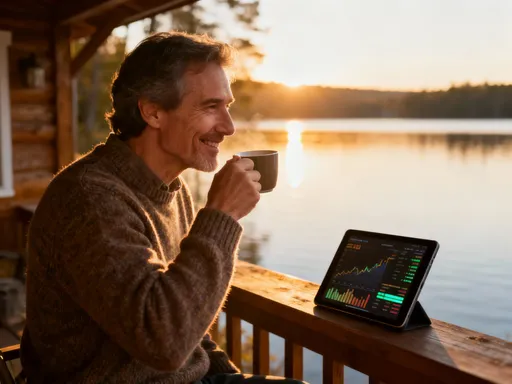
Ever wondered if that bottle aging in your cellar could be a silent money-maker? I once treated wine like a hobby—until I realized it could be a smart play in the long game of wealth building. But here’s the kicker: success isn’t about chasing vintages, it’s about mastering your mindset. It’s patience over impulse, knowledge over hype. Let me walk you through the real deal—what actually moves the needle when you’re investing in liquid assets. Wine investing is not about drinking your profits or showing off rare labels at dinner parties. It’s about treating each bottle as a measurable, traceable asset with a lifecycle, risks, and growth potential. For many, the journey begins with passion, but only those who shift from enthusiast to strategist see lasting returns.
The Mindset Shift: From Collector to Investor
Wine collecting and wine investing may look similar from the outside—both involve cellars, careful storage, and an appreciation for fine vintages. But beneath the surface, they are guided by entirely different principles. A collector buys what they love: a 1982 Château Margaux because it was their wedding wine, or a bold 2005 Barolo that reminded them of a trip to Piedmont. An investor, on the other hand, buys what the market values—regardless of personal taste. The emotional connection is set aside in favor of objective criteria like historical appreciation, scarcity, and global demand. This shift in mindset is not always easy, especially for those who first fell in love with wine through the senses.
One of the biggest psychological barriers to successful wine investing is the tendency to conflate enjoyment with value. Just because a wine tastes exceptional today doesn’t mean it will increase in price tomorrow. In fact, some of the most sought-after bottles in the investment world are not widely available for tasting at all—reserved for elite auctions and private sales. Recognizing this distinction is crucial. It means resisting the urge to open that prized bottle for a celebration, not because it’s too precious to drink, but because its financial potential is still growing. The investor sees the cellar not as a personal museum but as a warehouse of appreciating assets.
Another challenge lies in overcoming the narrative that wine is inherently safe because it’s tangible. Unlike stocks or bonds, you can see and touch a bottle of wine. That physical presence can create a false sense of security. But like any asset, wine can lose value—due to poor storage, market shifts, or simple overvaluation. The disciplined investor treats each purchase as a calculated decision, not a sentimental impulse. They track performance, assess risk, and are willing to sell when conditions are optimal, even if it means parting with a bottle they’ve held for years. This detachment is not cold—it’s necessary.
What Drives Value? It’s Not Just Taste
At the heart of wine investing is a simple truth: value is driven not by flavor, but by a combination of scarcity, provenance, critical acclaim, and market demand. A wine may be delicious, but without these structural supports, it’s unlikely to appreciate over time. Consider the most successful investment wines—names like Château Lafite Rothschild, Domaine de la Romanée-Conti, or Screaming Eagle. These are not just excellent wines; they are produced in limited quantities, have consistent track records of high scores from influential critics, and are recognized globally by serious collectors. Their reputations precede them, and that recognition translates directly into price stability and growth.
Scarcity plays a foundational role. A vintage that produces only a few thousand bottles will naturally be more valuable than one with hundreds of thousands, assuming demand exists. But scarcity alone isn’t enough. A rare wine from an unknown producer or region won’t command high prices unless there’s a market for it. That’s where provenance—the documented history of ownership and storage—becomes essential. A bottle that has been kept in optimal conditions, with a clear chain of custody, is far more valuable than one of the same vintage stored in a damp basement or traded through unverified sellers. Provenance reduces risk and increases trust, both of which are critical in a market where authenticity can be hard to verify.
Critical ratings also have a measurable impact. When a wine receives a perfect 100-point score from a publication like Wine Spectator or a critic like Robert Parker, its market value can surge almost overnight. This isn’t just hype—it reflects increased visibility and confidence among buyers. However, investors must be cautious. Not all ratings carry equal weight, and some critics have more influence in certain regions than others. Understanding which voices move the market is part of the research required before making a purchase. Similarly, demand cycles matter. For example, interest in Burgundy has risen sharply in the past two decades, driven by global wealth growth in Asia and a limited supply of top-tier vineyards. That rising demand has pushed prices upward, rewarding those who bought early.
Patience Isn’t Just a Virtue—It’s a Strategy
One of the most misunderstood aspects of wine investing is the timeline. Unlike stocks, which can be bought and sold in seconds, or real estate, which may appreciate over five to ten years, fine wine often requires decades to reach its peak value. A 2010 vintage from Bordeaux might not hit its financial high point until 2030 or later. This long horizon is not a flaw—it’s a feature. The market rewards those who can wait, while penalizing those who try to time short-term swings. Impulse selling, even after a 20% gain in two years, can mean missing out on much larger returns down the road.
Historical data supports this. According to the Liv-ex Fine Wine 100 Index, which tracks the performance of the most traded fine wines, long-term holders have seen average annual returns of around 6% over the past 15 years. But those returns are not linear. There are periods of stagnation, even decline, followed by strong rebounds. Investors who panic during a dip or sell early to lock in modest gains often underperform the market. The key is to align expectations with reality: wine is not a get-rich-quick scheme. It’s a slow, compounding asset that benefits from consistent, climate-controlled storage and minimal handling.
Consider the case of the 1982 Bordeaux vintage. At the time, it was praised for its exceptional quality, but few realized how dramatically its value would grow. Over the next 30 years, prices for top wines from that year rose tenfold or more. Those who sold in the first decade missed the bulk of the appreciation. The lesson is clear: patience is not passive. It’s an active strategy that requires discipline, confidence in research, and the ability to ignore noise. The investor who understands this is more likely to hold through uncertainty and emerge with meaningful gains.
Risk Control: Avoiding the Cellar Trap
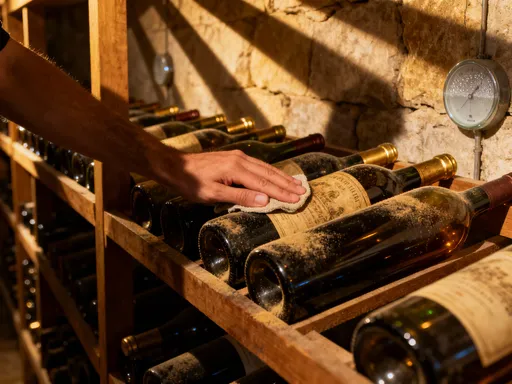
For every success story in wine investing, there are cautionary tales of bottles that lost value due to preventable mistakes. The most common error is poor storage. Wine is sensitive to temperature, humidity, light, and vibration. Even minor fluctuations can accelerate aging or cause leakage, which destroys both quality and market value. A bottle stored at 80°F instead of the ideal 55°F may develop cooked flavors and a lowered score—translating directly into a lower auction price. This is why professional, insured, climate-controlled storage is not a luxury but a necessity for serious investors.
Another major risk is overpaying at auction. The excitement of bidding can lead to emotional decisions, especially when chasing a rare or iconic label. But buying at the peak of a trend often means paying more than the wine’s long-term value justifies. This is particularly true for cult wines that gain sudden popularity. Without a history of stable pricing, it’s difficult to determine fair market value. Due diligence is essential: reviewing past auction results, consulting price databases, and understanding the seller’s reputation can prevent costly missteps.
Authentication is another critical layer of risk control. The wine market, especially at the high end, has seen instances of counterfeiting. Fake labels, refilled bottles, and forged documentation can make it difficult to verify authenticity. Reputable dealers, certification services, and provenance trails help mitigate this risk. Investors should never buy high-value bottles without documentation or from sources that cannot provide a clear history. Additionally, diversifying suppliers and avoiding private sellers without verification adds another layer of protection. Risk in wine investing isn’t just about market swings—it’s about ensuring that what you own is real, intact, and properly preserved.
Diversification: Don’t Put All Your Bottles in One Bin
Just as financial advisors recommend spreading investments across asset classes, wine investors should avoid concentrating their holdings in a single region, producer, or vintage. While Bordeaux and Burgundy dominate the fine wine market, overexposure to either creates vulnerability. If demand shifts—due to changing tastes, economic downturns, or supply issues—entire portfolios can suffer. A balanced approach includes exposure to other high-potential regions like Italy’s Piedmont, Spain’s Rioja, or California’s Napa Valley. Each brings different risk and return profiles, helping to smooth out volatility.
For example, Italian wines like Barolo and Brunello di Montalcino have shown strong appreciation over the past 15 years, often outperforming more established categories during certain periods. Including Champagne adds another dimension, as prestige cuvées from houses like Krug or Dom Pérignon have both aging potential and cyclical demand tied to celebrations and gifting seasons. Even within regions, diversification matters. Holding multiple vintages from the same producer allows investors to benefit from different market cycles—some years may be more sought after than others based on weather conditions and critical reception.
Diversification also applies to price points. While the top 1% of wines get the most attention, there are opportunities in the mid-tier market, where appreciation can be faster due to increasing global demand and improved quality. These wines may not command six-figure prices, but they can deliver solid returns with lower entry costs and greater liquidity. The goal is not to chase the most expensive bottles, but to build a resilient portfolio that can adapt to changing conditions. Like any investment, wine performs best when risk is managed through thoughtful allocation.
Tracking & Timing: When to Hold, When to Sell
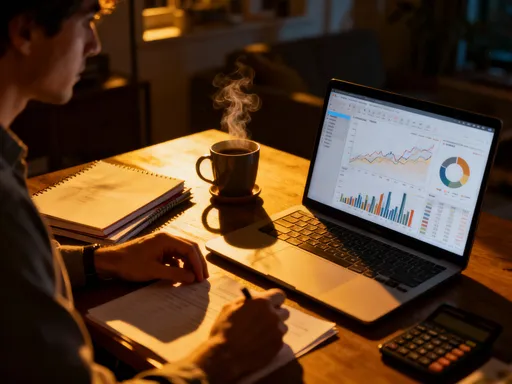
Monitoring a wine portfolio doesn’t require daily check-ins, but it does require regular assessment. Investors should use reliable data sources like the Liv-ex indices, auction results from Sotheby’s or Acker Merrall, and price guides from established wine publications. These tools provide objective benchmarks for performance, helping to identify trends without emotional bias. It’s easy to become attached to a bottle that has appreciated over time, but sentiment should not dictate selling decisions. Instead, investors should establish clear criteria for exits—such as reaching a target return, observing a market peak, or rebalancing the portfolio.
Timing the sale is as important as timing the purchase. Some vintages reach their peak market value before they reach their peak drinking window. For example, a 2000 First Growth Bordeaux may have been most valuable in 2015, even though it was still years away from optimal maturity. Selling at the right moment means understanding both market cycles and consumer behavior. Private sales can offer advantages over public auctions, including faster transactions, lower fees, and more discretion. However, auctions provide price transparency and access to a global buyer pool, which can drive competitive bidding.
Exit strategies should also consider tax implications and transaction costs. In some jurisdictions, capital gains on collectibles like wine are taxed at higher rates than traditional investments. Understanding these rules in advance helps avoid surprises. Additionally, auction houses typically charge seller’s fees of 10–15%, which can eat into profits. Planning the sale around market conditions—such as strong demand in Asian markets or increased activity during holiday seasons—can improve outcomes. The disciplined investor treats the sale not as an event, but as part of a broader financial strategy.
The Bigger Picture: Wine as Part of a Balanced Wealth Plan
At its best, wine investing is not a standalone path to wealth, but a complementary component of a diversified financial plan. It should represent a small portion of a broader portfolio—typically no more than 5–10% for most investors. This ensures that fluctuations in the wine market don’t have an outsized impact on overall financial health. The appeal lies in its uniqueness: it’s an asset that combines cultural value, sensory pleasure, and financial potential. For many, it’s a way to align passion with purpose, turning a personal interest into a disciplined practice.
But humility is essential. No one should invest in wine expecting to replace their retirement savings or outpace the stock market consistently. The returns, while respectable, are not guaranteed. The market can be illiquid, influenced by trends, and subject to external shocks like economic recessions or changes in trade policy. The most successful investors approach wine with curiosity, patience, and a commitment to continuous learning. They read, attend tastings, consult experts, and stay informed about global market dynamics.
In the end, the right mindset is the most valuable tool. It’s not about owning the rarest bottle or making the fastest profit. It’s about understanding that true value grows quietly, over time, when care, knowledge, and discipline are applied consistently. Wine investing, at its core, is a lesson in delayed gratification—a reminder that some of the best returns come not from speed, but from stillness. For the thoughtful investor, that bottle in the cellar isn’t just aging. It’s evolving into something greater than the sum of its parts.